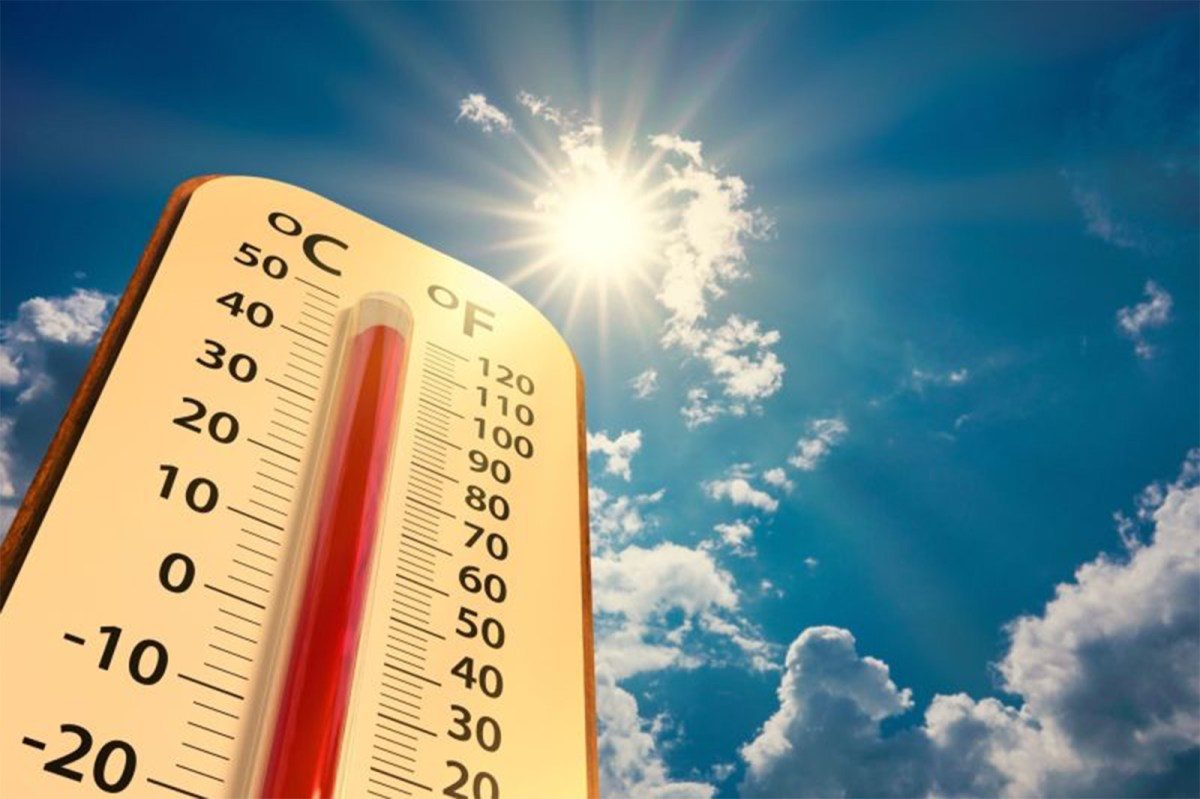
Extreme heat is a growing concern across the U.S., with the summer of 2024 breaking records, especially in the American Southwest. Phoenix, for example, endured over 100 consecutive days of temperatures above 100°F. Extreme heat is not just uncomfortable, it's one of the leading weather-related causes of death globally.
Steps to protect yourself and your organization
Preparedness is key to safeguarding your families, communities, and workforce against heat-related emergencies. Here are some steps to help protect yourself and your organization:
Heat preparedness checklist
- Stay informed about heat advisories and alerts in your area
- Ensure access to cooling centers or spaces with air conditioning
- Hydrate and encourage regular breaks for outdoor workers
- Have a plan in place for heat-related health emergencies
- Review and update emergency plans, especially for vulnerable populations
For businesses and government agencies
Businesses and government agencies should ensure heat emergency plans are in place and well-communicated. Extreme heat tests the same systems as any other hazard: public information, sheltering (in this case, cooling centers), outreach to access and functional needs populations, and coordination with health and human services partners.
Need assistance developing or updating your emergency preparedness strategies? High Street is here to help. Contact us to start the conversation around extreme heat preparedness, or explore our planning, training, and exercise services.